Safety Considerations for Commercial Concrete Sawing and Removal
People seeking commercial concrete sawing and removal often want safe, efficient services, and local contractors can ensure proper techniques and safety measures are followed.
If you're exploring safety considerations for commercial concrete sawing and removal, you're in the right place. Property owners in the area often face the challenge of making structural modifications or renovations that require cutting through concrete, which can pose significant safety risks if not managed properly. Understanding the key safety practices is essential to protect workers, nearby occupants, and the integrity of the surrounding environment. Local contractors specializing in concrete sawing and removal are well-versed in these safety protocols and can help ensure that each project proceeds smoothly and securely.
Keeping safety at the forefront is crucial for any concrete cutting or removal project. Proper planning, equipment use, and adherence to safety standards help prevent accidents and damage, saving time and avoiding costly setbacks. Service providers in the area are equipped to handle these aspects expertly, offering solutions that prioritize safety without compromising efficiency. Whether you're undertaking a small repair or a large-scale demolition, learning about safety considerations can help you make informed decisions and connect with the right local experts to handle the job safely and effectively.
- Commercial building renovations - when structural modifications require precise cutting and removal of concrete, local contractors prioritize safety considerations for commercial concrete sawing and removal to protect workers and surrounding structures.
- Floor opening installations - installing new utilities or access points involves cutting through existing concrete, and local pros approach safety considerations for commercial concrete sawing and removal by implementing proper procedures to prevent accidents.
- Demolition projects - tearing down sections of a building necessitates careful sawing and removal, with local service providers emphasizing safety considerations to minimize hazards during the process.
- Concrete coring and drilling - creating openings for pipes or wiring requires precision and safety measures, with local contractors focusing on safety considerations for commercial concrete sawing and removal to ensure a secure work environment.
- Structural repairs or reinforcement - when reinforcing existing concrete structures, local pros handle sawing and removal with attention to safety considerations to avoid damage or injury during the process.

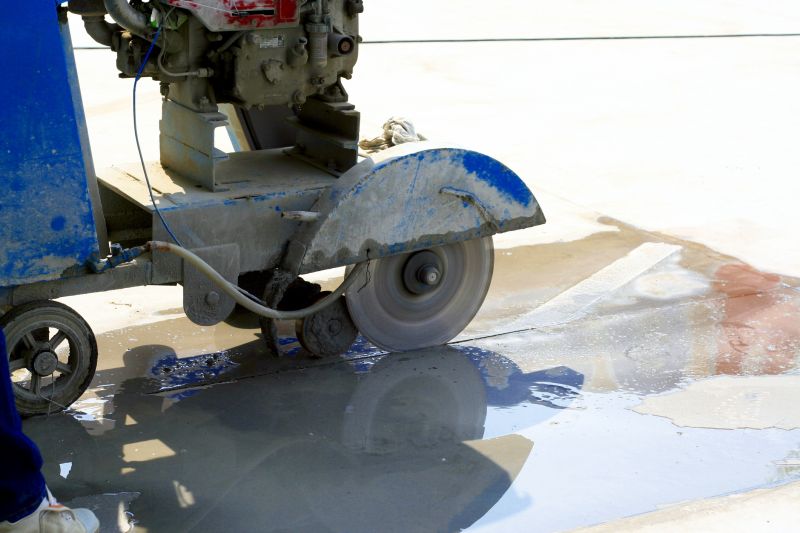
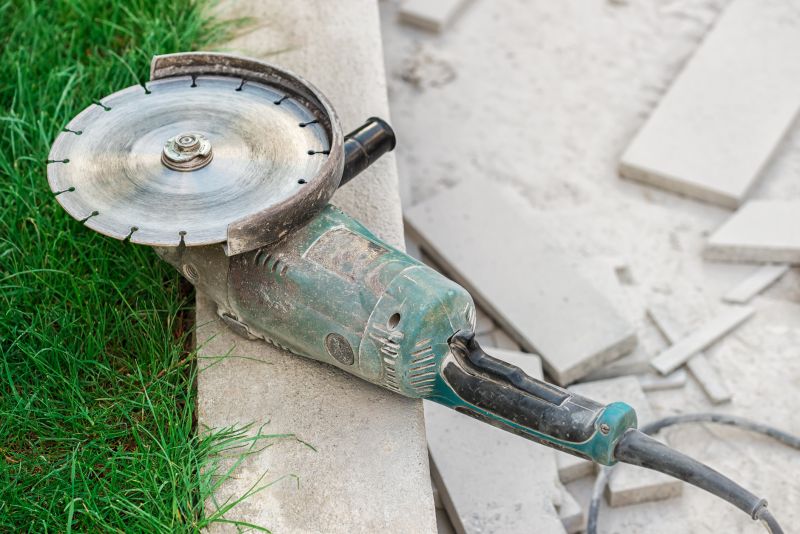
When people search for safety considerations for commercial concrete sawing and removal, they are often trying to understand the potential hazards involved in these specialized construction tasks. This includes concerns about dust, vibration, noise, and the risk of structural damage or injury during cutting and removal processes. Homeowners and property managers want to ensure that the work is carried out safely to prevent accidents, property damage, or health issues for workers and occupants. Recognizing these safety issues helps in planning the project effectively and choosing service providers who prioritize safety protocols and proper equipment use.
These safety considerations are closely linked to various project plans, such as remodeling, renovation, or demolition of commercial properties. For example, cutting through concrete slabs or removing sections of flooring requires careful planning to avoid damaging underground utilities or compromising the integrity of the structure. Proper safety measures also involve managing dust control, ensuring that vibrations do not cause unintended cracks, and protecting workers from potential hazards. When property owners or managers understand these risks, they can better coordinate with local contractors who have experience in safely handling such tasks, ensuring the project proceeds smoothly without unnecessary disruptions or safety incidents.
The types of properties where commercial concrete sawing and removal are commonly performed tend to be larger and more complex than residential sites. These include office buildings, retail centers, warehouses, hospitals, and industrial facilities. Such properties often have thick concrete floors, walls, or foundations that require specialized equipment and techniques. These environments also present unique safety challenges, such as working around existing utilities or operating within occupied spaces. Local service providers typically have the expertise to assess each property’s specific safety needs, implement appropriate measures, and ensure that the work complies with safety standards to protect both workers and the building’s occupants.
Understanding safety considerations for commercial concrete sawing and removal helps property owners and managers make informed decisions about hiring the right service providers. These professionals are equipped to evaluate the site, identify potential hazards, and implement safety protocols tailored to the project’s scope. Whether dealing with a large commercial complex or a specific structural modification, engaging experienced local contractors ensures that safety remains a priority throughout the process. This focus on safety ultimately supports a successful project outcome, minimizes risks, and helps protect everyone involved during the concrete sawing and removal work.
Asphalt Cutting Projects - Local contractors specializing in asphalt cutting share similar safety considerations for working with concrete, including proper equipment handling and site safety protocols.
Demolition and Debris Removal - Demolition services require careful planning and safety measures comparable to concrete sawing to prevent accidents and manage hazardous materials.
Structural Reinforcement and Pier Drilling - These projects involve precise cutting and drilling techniques that demand strict safety practices to protect workers and surrounding structures.
Parking Garage Construction - Building or modifying parking structures involves concrete cutting and removal, emphasizing the importance of safety considerations in confined or busy areas.
Foundation Breakout and Excavation - Removing or modifying foundations involves similar safety protocols for handling heavy equipment and ensuring site stability.
Industrial Floor Cutting and Removal - Local service providers handling industrial floors follow safety procedures akin to commercial concrete sawing to prevent hazards during large-scale projects.
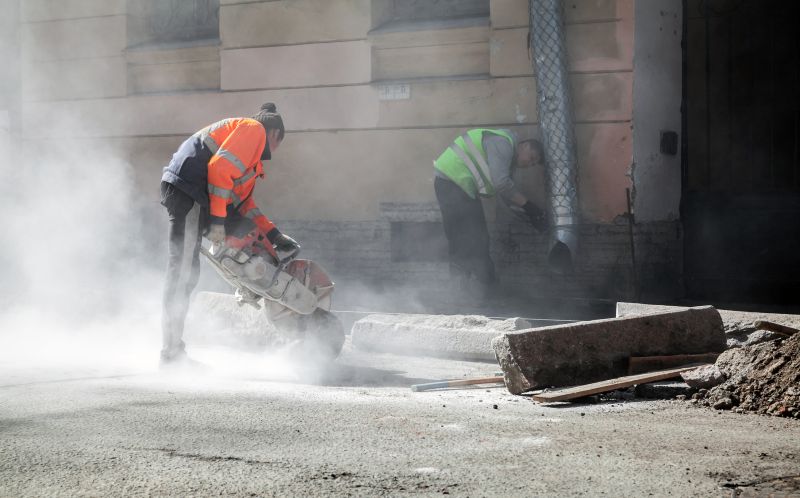
When evaluating service providers for commercial concrete sawing and removal, it is important to consider their experience with similar projects. Contractors who have handled comparable jobs are more likely to understand the specific safety considerations involved, such as managing dust, vibration, and potential structural impacts. An experienced local contractor can also demonstrate familiarity with the unique challenges that may arise in different types of commercial settings, ensuring that safety protocols are appropriately tailored to each situation.
Clear written expectations are essential when comparing local contractors for concrete sawing and removal services. Detailed project scopes help establish mutual understanding of safety measures, equipment use, and site protocols. A reputable service provider should be willing to provide comprehensive documentation that outlines safety procedures, responsibilities, and standards to be followed throughout the project. Having these expectations clearly documented can help prevent misunderstandings and ensure safety considerations are prioritized from start to finish.
Reputable references and effective communication are key factors when choosing a local contractor for concrete sawing and removal. References from previous clients can offer insights into how well a contractor adheres to safety practices and handles unforeseen issues. Good communication ensures that safety concerns are addressed promptly and that project updates include discussions of safety procedures and expectations. Selecting a service provider known for transparency and responsiveness can help foster a safer working environment and ensure that safety considerations are integrated into every phase of the project.
Property owners often search for safety considerations for commercial concrete sawing and removal when they are planning practical projects around their homes and businesses. Local pros provide Commercial Concrete Sawing and Removal services for everyday jobs and straightforward project options.
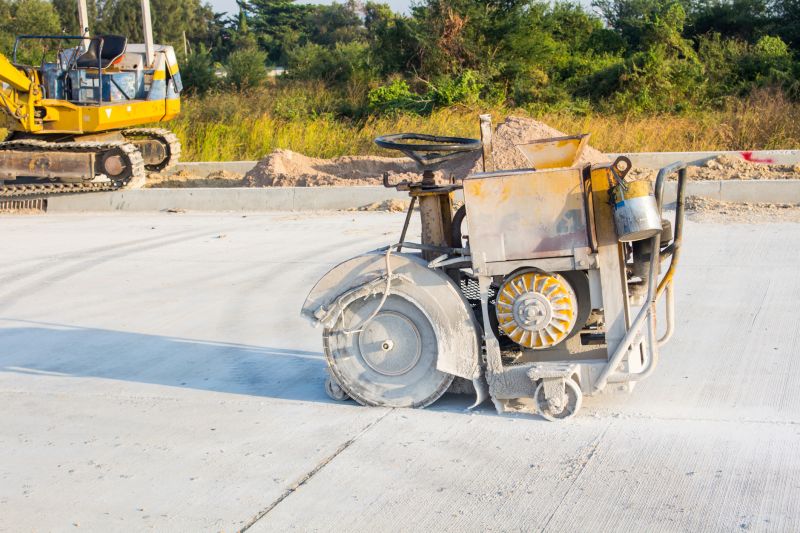
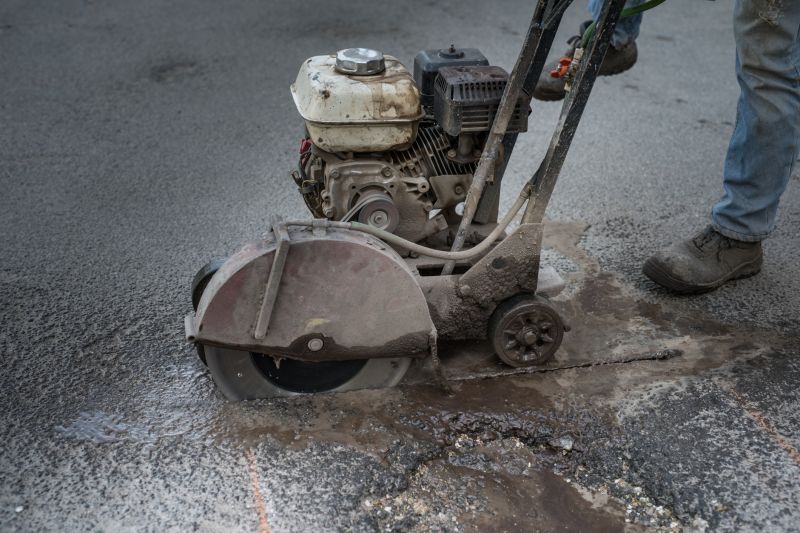
Safety considerations for commercial concrete sawing and removal are essential for property owners planning renovation or repair projects. Everyday situations, such as creating new doorways, removing old concrete slabs, or making space for utility upgrades, often require this specialized work. Property owners might seek out local contractors to ensure the job is performed safely, minimizing risks of injury or property damage. Understanding the importance of proper safety measures can help prevent accidents, especially when working in busy or shared spaces where pedestrians, employees, or residents are nearby.
Many property owners turn to local service providers to handle the complexities of concrete sawing and removal with safety in mind. Experienced contractors are familiar with best practices that help manage dust, noise, and debris, while also ensuring the stability of surrounding structures. Relying on professionals can provide peace of mind that safety considerations for commercial concrete sawing and removal are properly addressed, making the project safer for everyone involved.
What safety considerations should be taken into account during commercial concrete sawing? It is important to ensure proper equipment handling, use of personal protective equipment, and awareness of dust and debris control to minimize hazards. Local contractors typically follow safety protocols to protect workers and the surrounding area.
How can I ensure that the removal process is carried out safely? Selecting experienced service providers who adhere to safety standards can help manage risks associated with structural stability, dust suppression, and proper disposal of debris during concrete removal.
Are there specific safety precautions for dust and airborne particles? Yes, safety considerations include using dust suppression systems, wet cutting methods, and respiratory protection to reduce inhalation risks. Local pros often implement these measures to protect workers and nearby occupants.
What safety measures are important for working around existing structures? Contractors should evaluate structural integrity beforehand, use appropriate support systems, and maintain clear communication to prevent accidental damage or collapse during sawing and removal.
How do safety considerations impact the choice of equipment for concrete sawing and removal? The selection of specialized, well-maintained equipment that meets safety standards helps reduce hazards such as flying debris, noise, and dust, ensuring safer operations for workers and the site.
Proper equipment handling - Ensuring that tools and machinery are operated correctly helps prevent accidents during concrete sawing and removal projects.
Site assessment - Conducting a thorough evaluation of the work area allows property owners to identify potential hazards before work begins.
Clear communication - Coordinating safety procedures with local contractors ensures everyone understands safety protocols throughout the project.
Protective measures - Implementing safety barriers and warning signs can reduce the risk of injury to workers and bystanders during sawing and removal activities.
If you are thinking about safety considerations for commercial concrete sawing and removal for a property, this guide is meant to help you understand this topic, the typical project types, and how different options might fit your plans.
When you are ready, you can use the quote form on this page to share a few details about your project. From there, local pros can review the basics and follow up with options that match what you have in mind.